
South West London
Solar Panel Installation in South West London
HIES Consumer Code member · NAPIT registered · MCS certified · Trustpilot reviewed
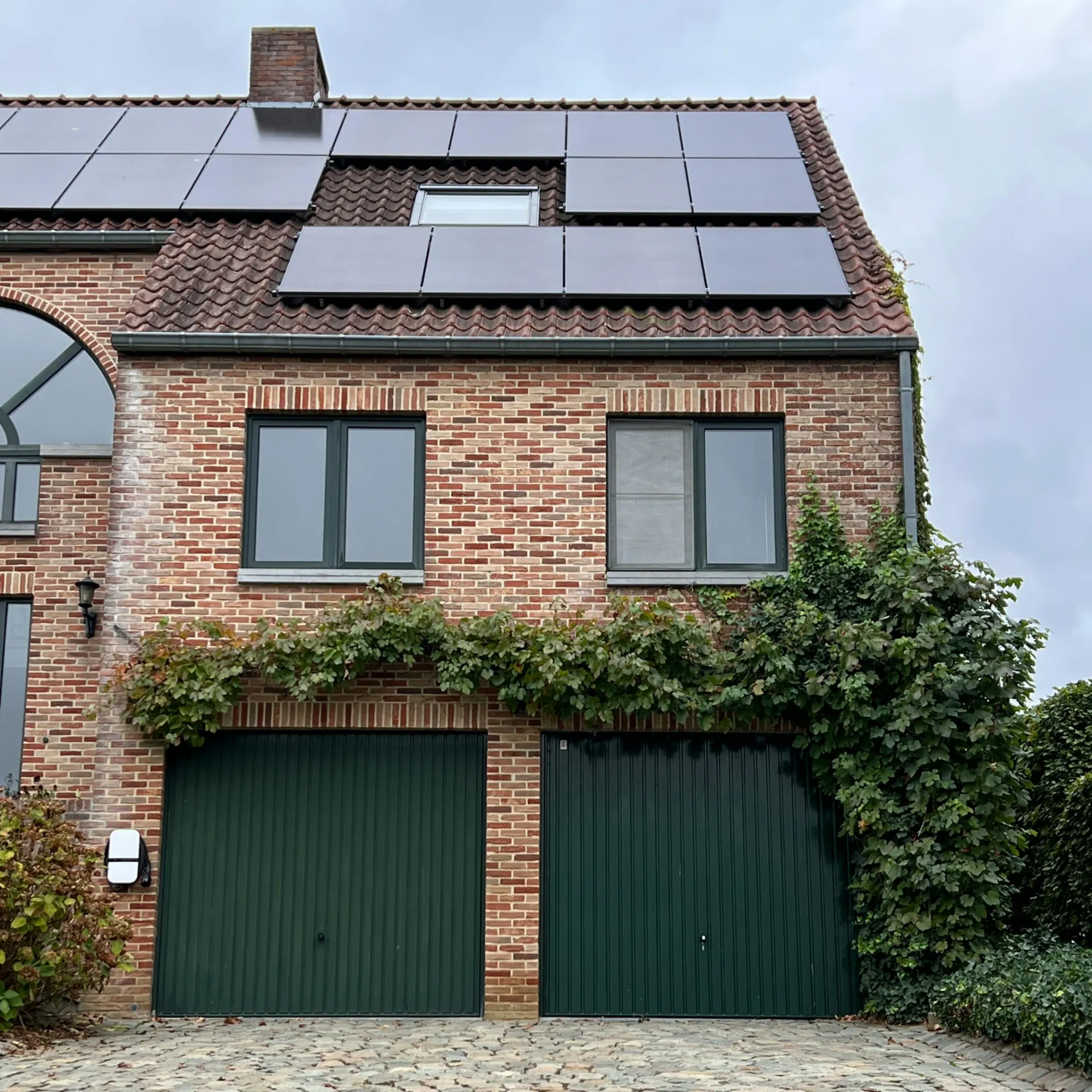
South-west London is a patchwork of Victorian and Edwardian terraces, leafy semis and riverside conservation areas — from Kingston, Surbiton and Wimbledon across to Richmond, Twickenham, Sutton and Croydon. It’s classic commuter territory, with the electricity bills that come with family homes on the rail lines into Waterloo and Victoria. That housing mix does shape a solar install: a terraced roof offers less slope than a detached house, and much of Richmond and Wimbledon sits inside conservation areas where panel placement needs care. But the great majority of these roofs still take solar well — a period terrace with a clear rear-facing slope can carry a very worthwhile array.
Home Comfort Enterprises (HCE) installs solar panels, battery storage and EV chargers for homes across south-west London. We’re MCS-certified, NAPIT-registered and members of the HIES Consumer Code, and the way we’ve worked since 2021 hasn’t changed: no pressure, just clear advice. If a conservation-area restriction or a shaded, north-facing roof means solar won’t stack up for your home, we’ll tell you that before you spend a penny.
The direction of travel across the boroughs is clear. Kingston declared a climate emergency in 2019 and targets a net-zero borough by 2038; Sutton was the first council in Britain to adopt One Planet Living and is home to BedZED, the UK’s first large zero-carbon community; and neighbouring Merton wrote the original “Merton Rule” that first pushed new buildings to generate their own renewable energy. Households don’t have to wait for a scheme, either — the Mayor’s Solar Together London group-buy has shown the appetite, but HCE quotes independently, whenever suits you. And the light is better than London’s grey reputation suggests: the Met Office station at Kew records about 1,693 hours of sunshine a year, well above the UK average of roughly 1,400.
Quick answer
Solar panels in south-west London:
- The Met Office station at Kew records about 1,693 hours of sunshine a year — well above the ~1,400-hour UK average
- Grid electricity is around 27p a unit under Ofgem’s price cap, so every self-generated unit is one you don’t buy
- SW London terraces and semis usually take solar well; conservation-area rules (Richmond, Wimbledon) and tree shading are the local things to check
- The Mayor’s Solar Together London group-buy shows the appetite — but HCE quotes independently, whenever suits you
- HIES Consumer Code member, NAPIT registered and MCS certified
- The 0% VAT window on solar and batteries runs until 31 March 2027
Figures: Met Office / Ofgem / London City Hall, July 2026.
Why solar works in south-west London
Start with the light, because London’s grey reputation undersells it. The Met Office station at Kew Gardens, in the heart of Richmond, records an average of 1,693 hours of sunshine a year over 1991–2020 — comfortably above the UK norm of roughly 1,400. No installer should call anywhere in Britain a sun-trap, but the raw resource here is better than most south-west Londoners assume, and it’s more than enough for a well-designed array.
Then the roofs — and this is where south-west London needs local knowledge rather than a template. The housing skews to terraces and flats, not detached houses: at the 2021 Census terraced homes were the single largest type in Merton at 35.7%, alongside 26.5% in Richmond and 23.3% in Croydon. A period terrace has less roof than a detached house, but a clear rear-facing slope between south-east and south-west will still carry a worthwhile array. The honest caveats are local: much of Richmond and Wimbledon sits inside conservation areas where panel placement needs care, mature street trees and neighbouring rooflines can shade a slope for enough of the day to matter, and a purely north-facing roof rarely pays. That’s why we survey properly rather than quote from a satellite photo.
The boroughs have real form on this. Neighbouring Merton wrote the pioneering “Merton Rule” in 2003 — the first UK planning policy to require new developments to generate at least 10% of their energy from on-site renewables, later adopted by around 140 councils and the Mayor of London. Sutton became the first council in Britain to adopt the One Planet Living framework in 2009, and is home to BedZED in Hackbridge, the UK’s first large-scale zero-carbon community, its 100 homes completed in 2002. The Royal Borough of Kingston upon Thames declared a climate emergency in June 2019 and targets a net-zero borough by 2038, with borough-wide CO2 already down about 17% between 2019 and 2023. Rooftop solar is the household-scale end of the same shift.
Two practical points round out the picture. Almost every grid-tied solar and battery connection in the south-west London boroughs goes to UK Power Networks, through its London or South Eastern licence areas; the edges of Richmond and Twickenham run close to SSEN’s Southern Electric area, so we confirm your operator from the postcode before the G98 or G99 paperwork goes in. And while the Mayor’s Solar Together London group-buy has shown the appetite (its first phase alone drew nearly 4,000 registrations, with more than 1,100 households taking up the offer), you don’t have to wait for a scheme round to open: HCE quotes independently, whenever suits you.
What we install
HCE designs and installs complete home energy systems: solar panels, battery storage, inverters and EV charge points. We size systems to how your household actually uses electricity, not to how many panels the roof could physically hold — an oversized array on the wrong tariff helps nobody.
We install EnSmart battery and inverter systems, among other equipment from established manufacturers. On lifespan, we’ll give you the honest version: solar panels are designed to last 25–30 years, while batteries and inverters carry bounded manufacturer warranties — typically around a decade — and should be planned for accordingly. Anyone promising a "lifetime" battery is selling, not advising.
Start with a conversation
A no-pressure route from enquiry to install
It starts with a free callback to talk through your home and what you’re trying to achieve. Next comes the survey and design: we measure, check shading and the electrical setup, and give you a written, itemised quote — valid whether you decide this month or next year. The installation itself typically takes one to two days. At no point will anyone from HCE lean on you to sign; that’s a promise we’ve kept since day one.
Across South West London
Batteries and EV chargers across South West London
Each town page runs that town's own sunshine figures, network operator and housing; the brand pages compare the batteries we are asked about most.
Costs, grants and planning
Battery storage by town
EV chargers by town
- EV charger installation Carshalton
- EV charger installation Croydon
- EV charger installation Kingston upon Thames
- EV charger installation Mitcham
- EV charger installation Richmond
- EV charger installation Surbiton
- EV charger installation Sutton
- EV charger installation Tooting
- EV charger installation Twickenham
- EV charger installation Wimbledon
Solar panels in south-west London — common questions
Do I need planning permission for solar panels in south-west London?
Usually not. Most domestic rooftop solar in England is permitted development, provided the panels sit within the usual limits — for instance, projecting no more than 20cm from the roof slope. South-west London has more to watch than most areas, though: boroughs such as Richmond and Merton have extensive conservation areas, and there the rules tighten — panels can’t be fitted to a wall or roof slope fronting a highway without permission, and any listed building needs listed building consent wherever it stands. Your borough — Kingston, Richmond, Merton, Sutton or Croydon — is the planning authority for your address and confirms the position, and we flag any planning question we spot at survey stage.
Will solar work on a terraced or Victorian house in south-west London?
In most cases, yes. A period terrace has less roof than a detached house, but a clear rear-facing slope between south-east and south-west will still carry a worthwhile array — and terraced homes are the single largest slice of the housing stock in boroughs like Merton (35.7% at the 2021 Census) and Richmond, so it’s roof type we work with constantly. The two things that most often change the numbers here are shading and orientation: mature street trees and neighbouring rooflines can shade a slope for enough of the day to matter, and a purely north-facing roof rarely pays. A proper survey — not a satellite guess — settles whether your roof is one of the strong ones.
Is there VAT on solar panels?
No — domestic installations of solar panels and batteries are zero-rated for VAT across Great Britain until 31 March 2027, under the government’s energy-saving materials relief. On a four-figure purchase that’s a real saving, and it’s applied automatically by your installer; there’s nothing for you to claim.
How much could a south-west London household save?
It depends on your roof, usage and tariff, but the maths starts from the price of a unit you don’t have to buy — around 27p under Ofgem’s price cap in 2026. Every unit your panels generate and you use is a unit off the bill, and surplus you export earns through the Smart Export Guarantee. Larger SW London homes with daytime demand — home workers, heat pumps, EVs on the drive — tend to see the strongest returns, and pairing panels with a battery lifts how much of your own generation you actually use. We’ve set out the full picture, with worked examples, in our guide to how much solar panels can save.
Towns we cover
Local pages for south-west London
Every town page below is written from named public sources — census housing data, council schemes, local planning context — not template filler.
-
Surbiton
Royal Borough of Kingston upon Thames
-
Kingston upon Thames
Royal Borough of Kingston upon Thames
-
Twickenham
London Borough of Richmond upon Thames
-
Sutton
London Borough of Sutton
-
Richmond
London Borough of Richmond upon Thames
-
Carshalton
London Borough of Sutton
-
Wimbledon
London Borough of Merton
-
Mitcham
London Borough of Merton
-
Tooting
London Borough of Wandsworth
-
Croydon
London Borough of Croydon
Get a straight answer for your south-west London home
Request a free, no-obligation quote or a callback and we’ll tell you plainly whether solar stacks up for your roof — conservation area, terrace or semi — and what it would cost, itemised in writing. Call HCE on 0204 547 1892 or use the form. Go Green, Go Solar, Go HCE.
Also see: Surrey solar installation · our East & West Sussex page · solar panels across Hampshire · Berkshire