
Battery Storage
EcoFlow PowerOcean Installation for UK Homes
Quick answer
EcoFlow PowerOcean installation for UK homes:
- A modular home battery: 5 kWh LFP packs and a hybrid inverter, for households wanting to start small and add packs as an EV or heat pump arrives.
- EcoFlow publishes no installed price. The Energy Saving Trust says a home battery can range from £1,500 to £10,000, and a 5 kWh system costs around £4,600 installed.
- Scales in 5 kWh steps: up to 20 kWh on one single-phase inverter, 60 kWh with three, or 45 kWh three-phase. Single-phase backup: 6 kW continuous.
- EcoFlow's UK pages publish a 15-year warranty: daily use until the battery reaches 70% of original capacity, on packs rated 6,000+ cycles. Conditions apply, including registration and correct installation.
- Residential battery installations carry 0% VAT until 31 March 2027, reverting to 5% from 1 April 2027, whether the battery is fitted with panels or on its own.
- A PowerOcean quote should be sized from your consumption data and itemise packs, inverter, mounting and paperwork, with the full warranty document. The batteries in HCE's own job photos are EnSmart; ask us and we will confirm in writing how a PowerOcean would be supplied, installed and warranted.
Figures: EcoFlow UK PowerOcean product pages (read 12 October 2026); Energy Saving Trust, Battery storage (updated 19 August 2026); HMRC VAT Notice 708/6.
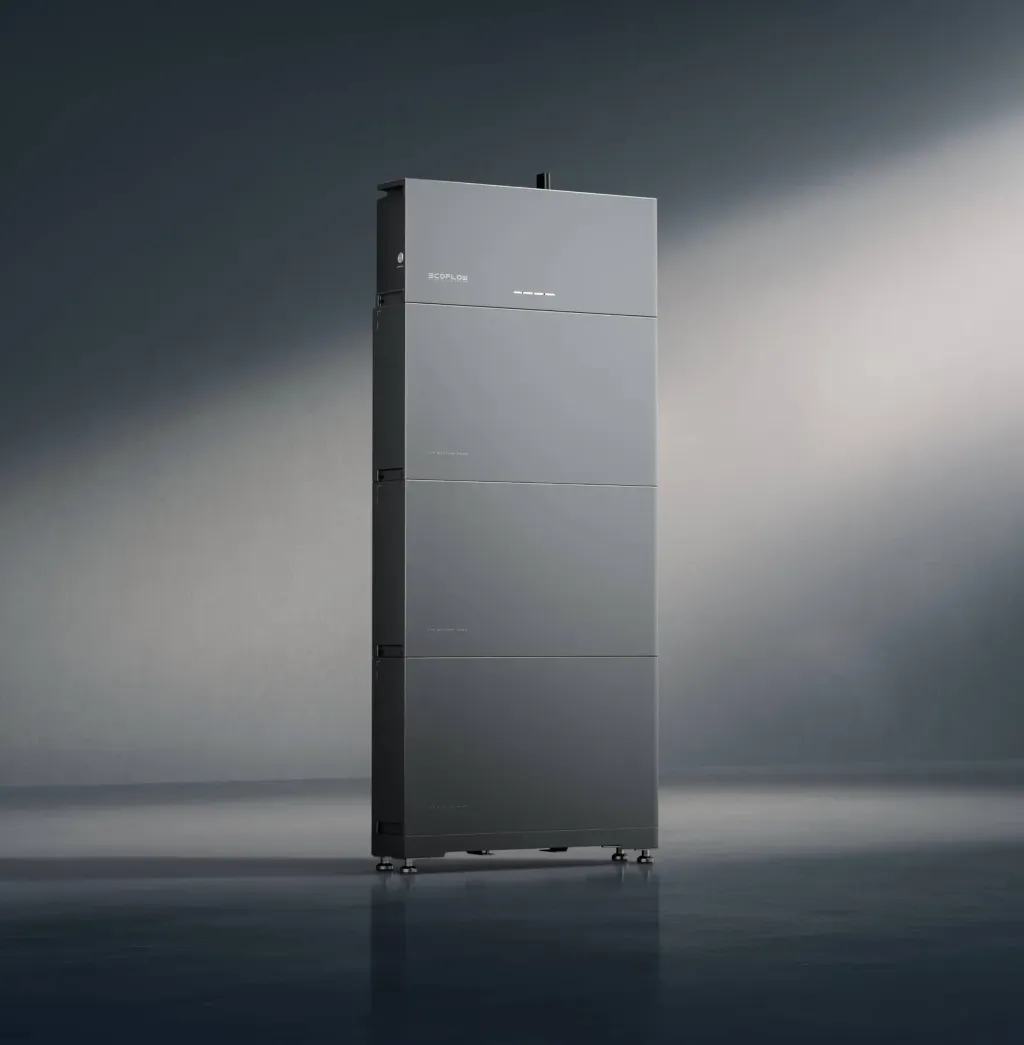
The EcoFlow PowerOcean is a modular home battery system built from 5 kWh LFP packs, and its headline is the warranty: EcoFlow publishes a 15-year official warranty on its UK PowerOcean pages — the longest term of the battery lines compared on this site. This page explains the system in plain English for UK homes, using EcoFlow's own published figures throughout. The batteries in HCE's own battery storage job photos are EnSmart; if the PowerOcean is the system you want, ask us and we will confirm in writing how it would be supplied, who installs and commissions it, and what warranty attaches.
Who are EcoFlow?
EcoFlow is an energy technology company with a dedicated UK residential energy range built around the PowerOcean system. The PowerOcean family launched in the UK with a three-phase system, followed by a single-phase version for the majority of British homes, and the range has since grown to include higher-output variants and a DC-retrofit model (PowerOcean DC Fit) for homes with existing solar. EcoFlow publishes UK-specific product pages and runs UK partnerships — including a dynamic tariff dashboard that works with Octopus Energy pricing — which matters more than it sounds: batteries earn most when they can buy cheap and use dear automatically.
 Manufacturer image
The PowerOcean system explained
The system has two building blocks — a hybrid inverter and stackable 5 kWh battery packs:
- Battery packs of 5 kWh each, using LFP (lithium iron phosphate) chemistry rated for over 6,000 charge cycles. Packs stack vertically and can be wall-mounted or floor-standing.
- Single-phase systems (most UK homes) deliver up to 6 kW of continuous off-grid power in backup. One hybrid inverter supports up to 20 kWh of battery; EcoFlow's published maximum of 60 kWh requires three inverters working together.
- Three-phase systems scale from one 5 kWh pack up to 45 kWh, with up to 12 kW of backup output power.
- Independent pack architecture: each 800 V pack carries a built-in DC-DC converter and its own battery management system, so packs operate independently — one weak pack does not drag down the stack — and each pack monitors its own cell health and temperature.
- Safety and weatherproofing: an integrated fire prevention module for cell-level fire safety, an IP65-rated enclosure, and built-in heating pads that keep the chemistry in its comfort zone through cold British winters.
- Control: the EcoFlow app and web portal handle monitoring, scheduling and over-the-air updates, with an AI-driven home energy management system deciding when to charge, hold and discharge.
The 15-year warranty, as published
EcoFlow's UK PowerOcean pages state a 15-year official warranty, described as covering 15 years of daily use until the battery reaches 70% of its original capacity, with the LFP packs rated for 6,000+ cycles. Two honest observations from us. First, 15 years is a bounded, published term — no battery is warranted indefinitely, and any sales pitch that implies otherwise deserves a hard stare. Second, a long warranty is only as useful as the document behind it, so any PowerOcean quote should come with the full warranty terms, and the conditions are worth reading through before you sign anything.
 Manufacturer image
Who the PowerOcean suits
The PowerOcean is the strongest fit for households that want to start small and grow. A single 5 kWh pack is a meaningful first step for a couple with modest evening usage; a family can add packs as an EV or heat pump arrives, without replacing the inverter, up to the 20 kWh a single-phase inverter supports. The 15-year warranty also changes the payback arithmetic — spreading the investment over a longer guaranteed life than the 10-year terms typical elsewhere.
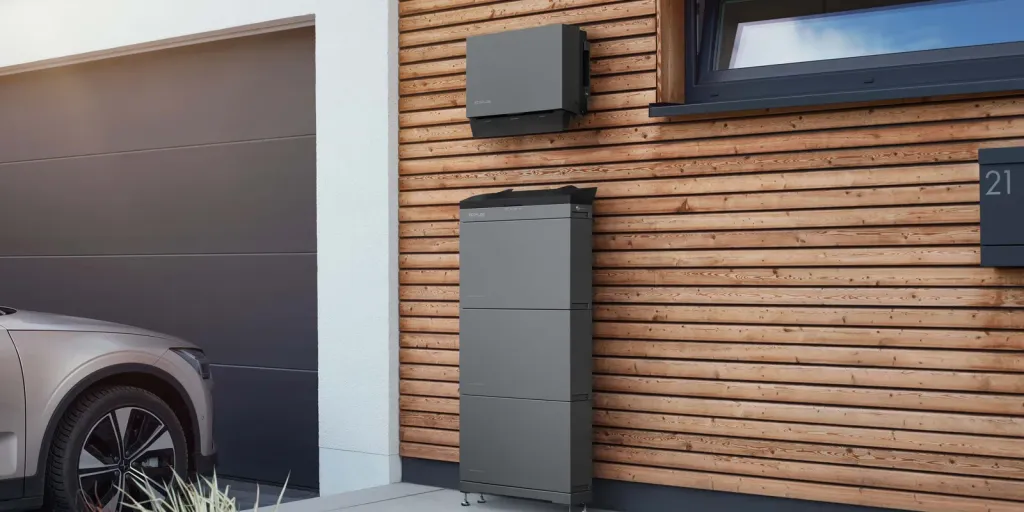
It suits tariff-switchers particularly well. If you are on or considering a smart time-of-use tariff, the dynamic pricing integration automates the buy-low, use-high routine that makes batteries pay. And for homes where the battery must live in a garage or outside wall, the IP65 rating and self-heating design are practical advantages rather than brochure lines.
If you need very high continuous backup output on a single-phase supply, note the 6 kW figure and compare it with the Tesla Powerwall 3, which is configurable up to 11.04 kW. This is exactly the sort of trade-off a survey should set out.
What a PowerOcean system costs installed
EcoFlow does not publish an installed price for the PowerOcean, and this page does not give one either — a battery quote is built from the pack count, the inverter configuration, where the stack lives and any backup circuits you want, so a real number comes from a survey. The honest national anchor is the Energy Saving Trust's: a home battery can range from £1,500 to £10,000, a 5 kWh system costs around £4,600 installed, a typical home system might be 10 kWh, and the typical lifespan is about 10 to 12 years — a useful yardstick against the PowerOcean's 15-year published warranty. The Trust's own sizing advice is that there is no exact formula — sizing comes from your own consumption, and that fitting storage at the same time as panels costs less than a separate visit later.
Two things help the arithmetic at the moment. Residential battery installations carry 0% VAT until 31 March 2027, reverting to 5% from 1 April 2027, whether the battery is fitted with panels or on its own. And a PowerOcean quote should itemise the packs, the hybrid inverter, mounting, the DC and AC protection, the network-operator paperwork, commissioning, the app set-up and the warranty documents, so you can see what the total is made of. How battery sizing and pricing work in general is on our solar battery storage cost page, and the service itself is described under battery storage, and the two halves added up — panels and battery as one job — on solar panels and battery cost.
Sources: Energy Saving Trust — Battery storage (updated 19 August 2026) · HMRC — VAT on energy-saving materials and heating equipment (VAT Notice 708/6) · EcoFlow UK PowerOcean product pages, read 12 October 2026.
How a PowerOcean installation works
- Step 1
Initial consultation
A free, no-obligation chat about your usage, tariff and plans, and whether the PowerOcean's scaling model fits how your household is likely to change.
- Step 2
Your design and survey
The installer confirms pack count, inverter configuration, mounting position (wall or floor, indoors or out) and the DNO paperwork, and designs any backup circuits you want.
- Step 3
Final installation
The installer fits, commissions and registers the system, configures the EcoFlow app with your tariff, and hands over the warranty documents and an itemised record of the system.
HCE is a NAPIT member, MCS-certified for solar PV and battery storage via NAPIT, and a member of the HIES Consumer Code.
By region
By region
Region by region: the housing, the network operators and the sunshine figures that shape how this system would fit.
Hampshire
Berkshire
South West London
North London
Hertfordshire
Bedfordshire
Buckinghamshire
EcoFlow FAQs
How big can an EcoFlow PowerOcean system go?
It starts at one 5 kWh pack and scales in 5 kWh steps. On a single-phase supply — most UK homes — one hybrid inverter supports up to 20 kWh, and EcoFlow’s published ceiling of 60 kWh needs three inverters. Three-phase properties scale to 45 kWh on the standard system. In practice a system should be sized from your consumption data: the right battery is the one whose capacity you actually cycle each day, and oversizing is one of the most common ways installers waste customers’ money.
Does it work in cold weather?
Yes — this is one of the PowerOcean’s better engineering details. Built-in heating pads warm the packs automatically so the LFP cells stay within their working range through winter, protecting both performance and long-term battery health. Combined with the IP65-rated enclosure, that makes garage and external-wall installations realistic, subject to the positioning rules an installer checks at survey.
What does the 15-year warranty actually cover?
EcoFlow’s UK pages describe it as 15 years of daily use until the battery reaches 70% of its original capacity, on packs rated for more than 6,000 cycles. As with every battery warranty, conditions apply — registration, correct installation and operating conditions among them — so the full warranty document should come with any quote, and the terms are worth going through line by line before you commit.
What is the EcoFlow PowerOcean?
A modular home battery system from EcoFlow, built from 5 kWh lithium iron phosphate packs and a hybrid inverter that handles both the solar and the battery. You start with one pack and add more in 5 kWh steps: a single-phase inverter supports up to 20 kWh, three inverters take a system to EcoFlow’s published 60 kWh ceiling, and the three-phase version runs from 5 kWh to 45 kWh. It stores daytime solar for the evening, buys cheap off-peak electricity on a time-of-use tariff, and keeps essential circuits running in a power cut. EcoFlow publishes a 15-year warranty on its UK pages, which is the figure most buyers notice first.
Is the EcoFlow PowerOcean good?
On the published figures it is a serious system rather than a budget one: LFP packs rated for more than 6,000 cycles, a 15-year warranty described as running until the battery reaches 70% of its original capacity, an IP65 enclosure with built-in heating for cold weather, and 6 kW of continuous backup output on a single-phase supply. The honest comparison points are backup power — the Tesla Powerwall 3 is configurable to 11.04 kW — and the fact that the warranty is only as useful as the document behind it, which should come with any quote. Whether it is the right battery for you depends on your usage, your tariff and how you expect your household to change, which is what a survey works out.
Is EcoFlow a Chinese company?
EcoFlow describes itself as founded in 2017 by a group of battery engineers, and its UK pages are run alongside regional operations it lists in the United States, Germany and Japan. For a UK homeowner the questions that matter are more practical than where a company is registered: the warranty terms published for the UK, the support route if something fails, and whether the installer will still be answering the phone in year ten. Any PowerOcean quote should come with the full UK warranty document, and its conditions are worth walking through before you sign anything.
Can it power my home during a blackout?
Yes, within its output limits. A single-phase PowerOcean delivers up to 6 kW of continuous off-grid power, which comfortably runs lighting, the fridge-freezer, broadband, TV and sockets — the things people actually miss in an outage — though not every high-draw appliance at once. The backup arrangement should be designed around the circuits you care about, and an honest installer will tell you if your expectations need a bigger system.
Want to know whether a PowerOcean system suits your actual usage?
Request your free quote or call 0204 547 1892 — no pressure, just clear advice. You can also compare the other systems covered here: Sigenergy SigenStor, Tesla Powerwall 3, or our roundup of which home battery suits which home.